Back to All Calculators870+
Cardiology
Medical Calculator#Acute Coronary Syndrome#Arrhythmia#Cardiac
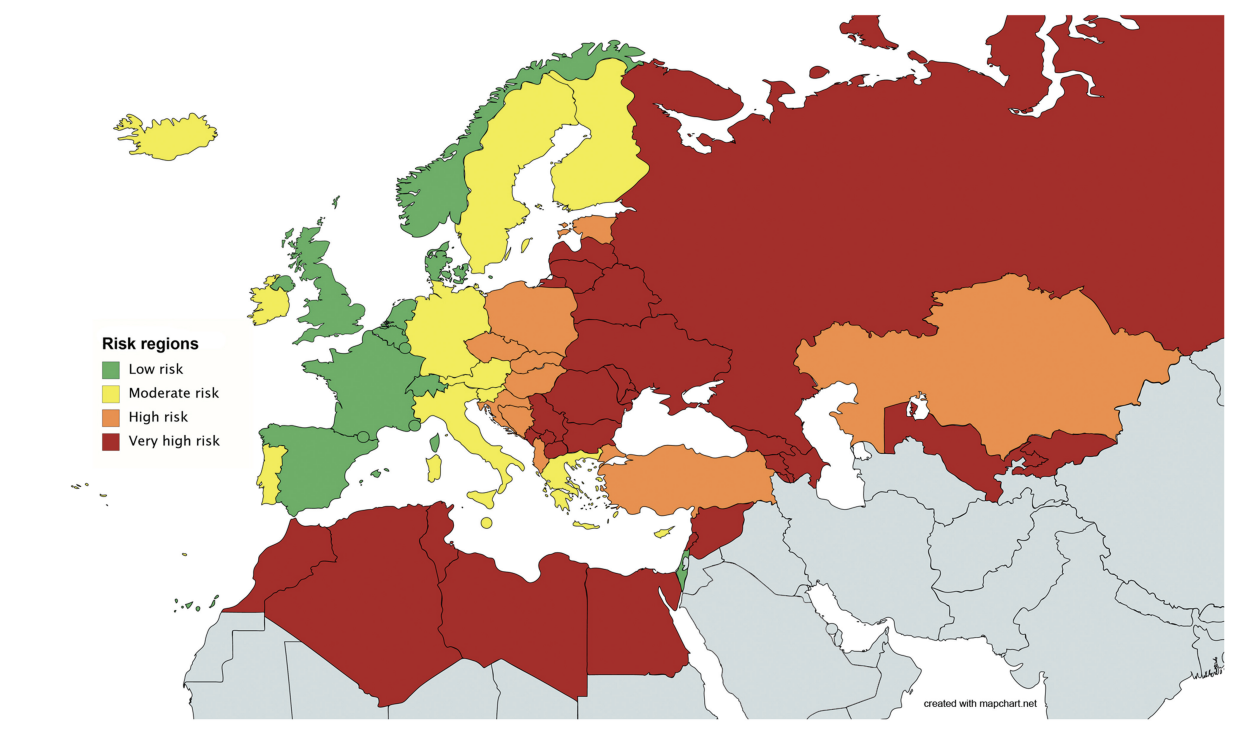
Systematic Coronary Risk Evaluation 2-Diabetes (SCORE2-Diabetes)
Predicts 10-year CVD risk in patients with type 2 diabetes.
- Use in European adults aged 40–69 years with type 2 diabetes.
- Do not apply when alternative risk scores or disease-specific guidance should be used, such as:
- Known atherosclerotic cardiovascular disease (ASCVD).
- Type 1 diabetes.
- Age 40–69 years without diabetes (consider using
SCORE2 ). - Age ≥70 years (consider using
SCORE2-OP ).
When To Use
- Use in adults aged 40–69 years with type 2 diabetes and without preexisting cardiovascular disease (CVD).
- Apply during primary prevention assessment to guide the intensity of lipid lowering, blood pressure control, smoking cessation, and lifestyle interventions.
Clinical Advice
- Interpret risk estimates within the broader clinical context of diabetes management, including diabetes duration, glycemic control, renal function, and microvascular complications.
- Use the risk estimate together with clinical judgement to define preventive intensity.
- Shared decision-making is particularly important in people with diabetes, balancing the potential benefits of risk factor modification against treatment burden and patient preferences.
- Reassess risk periodically, especially after major changes in diabetes control, smoking status, blood pressure, lipid profile, or renal function.
- Consider additional risk modifiers (e.g., lipoprotein[a], hs-CRP, albuminuria) or imaging in borderline-risk individuals.
Management
- Management strategies should be linked to estimated absolute cardiovascular risk.
- Higher SCORE2-Diabetes categories may warrant more intensive LDL-cholesterol lowering, stricter blood pressure control, and structured lifestyle interventions.
- Shared decision-making is recommended when considering pharmacologic prevention in patients with diabetes, particularly given individual variation in diabetes control and comorbidities.
- Management decisions should be guided by the most recent guidelines, integrating clinical judgment, comorbidities, diabetes control, renal function, expected treatment benefit, patient preferences, and risk modifiers.
- This tool is intended to support cardiovascular risk estimation and shared decision-making; use of the SCORE2-Diabetes algorithm to estimate 10-year CVD risk and guide initiation of SGLT2 inhibitors, GLP-1 receptor agonists, and lipid-lowering therapies is recommended in 2023 ESC Guidelines for CVD management in patients with diabetes.
CV Risk Categories in Type 2 Diabetes
- Very high risk: Established ASCVD, severe target organ damage, or SCORE2-Diabetes ≥20%.
- High risk: SCORE2-Diabetes 10%–<20%.
- Moderate risk: SCORE2-Diabetes 5%–<10%.
- Low risk: SCORE2-Diabetes <5%.